
Real photography. AI-enabled production. The judgment to know the difference.
For brands that need more content than a single shoot day can deliver.

Why traditional photography can't keep up — and why AI on its own can't be trusted.
Traditional photography doesn't scale well. Every new background needs a new set. Every seasonal update means striking everything and starting again. Every new SKU is another full shoot day. That adds up quickly when you need weekly content across PDP, paid social, email, and retail.
AI on its own is faster, but without a proper photographic eye behind it, things go wrong. Warped labels. Off colours. Geometry that looks nothing like the actual product on shelf. For a functional CPG brand — where whether people believe your health claims often comes down to how professional you look — that's a real problem.
The photographer behind the production.
I'm Barry — AI Product Photographer for UK functional CPG brands.
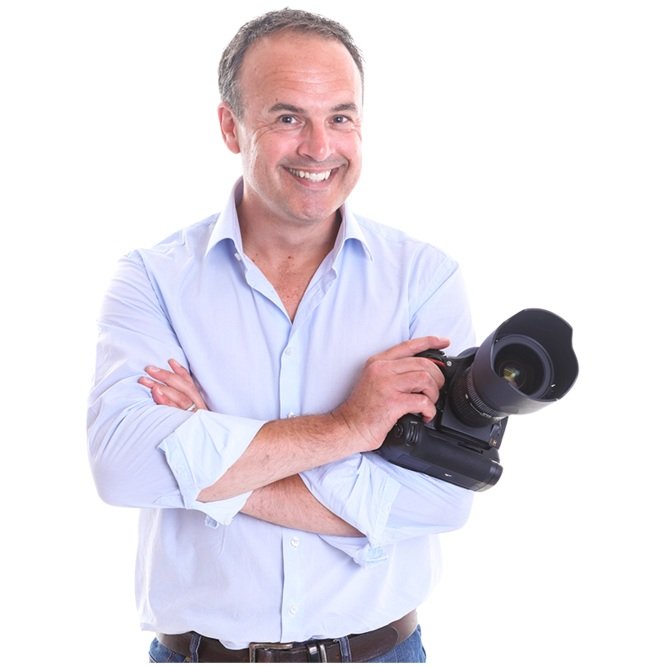
My background is traditional commercial photography. Controlled lighting, precise camera work, sessions built around capturing exactly how a product looks. That's still the foundation here — the AI side only works because of it. Without that grounding, you're just running a tool and hoping for the best.
Every project starts with an Anchor Asset. I bring your product into the studio and photograph it properly — real geometry, real label alignment, real material finish. That shot becomes the reference point for everything else. It doesn't get tweaked or improved. It gets extended.
From there, I use AI-enabled production to scale that reference into whatever your campaign needs. New background. Different context. Seasonal refresh. Variant grid. Same capture, every time — no rebuilding from scratch, no new shoot every time a brief changes.
And when the next SKU lands or a new brief comes in, you're not starting over. The system's already there. Production gets faster because the hard work is already done.
That's what I've built this workflow around — not just delivering the first campaign, but making the second and third ones easier too.